
Flu Season 2025/26
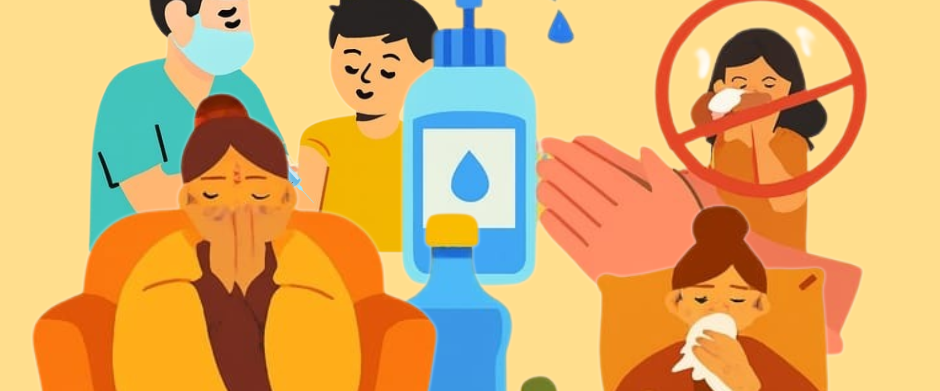
Protect Yourself and Your Loved Ones This Winter
The NHS began its large-scale flu vaccination rollout before the start of winter to prevent overwhelm and prepare for a challenging flu season.
As flu is beginning earlier this year than usual, here are the symptoms and key information to help you stay protected.
What Is Influenza (Flu)?
Influenza is an infectious viral illness affecting the upper respiratory system (nose, throat, lungs). For many people, it can be unpleasant but manageable. However, for older adults, individuals with disabilities, those with long-term conditions, or anyone with a weakened immune system, the flu can lead to serious complications, such as pneumonia, bronchitis, or an exacerbation of existing health issues.
Unlike the common cold, flu symptoms develop rapidly and are often more severe.
Common symptoms include:
- A sudden high temperature (fever)
- Tiredness and weakness / exhaustion
- Headaches
- Aches and pains
- A dry or chesty cough
- Sore throat
- Loss of appetite
- Difficulty sleeping
Why Flu Mutates So Easily and How It Differs from DNA Viruses
Influenza is an RNA virus, which means it uses RNA rather than DNA to store its genetic information. This is important because:
RNA viruses mutate far more rapidly than DNA viruses.
When influenza replicates, errors frequently occur in its RNA copying process — this is called antigenic drift.
These regular mutations mean each year’s flu strain often looks different enough that our immune system doesn’t fully recognise it.
In contrast:
DNA viruses, such as herpes viruses, have much more stable genetic material and a built-in “proofreading” ability when they replicate.
Because they mutate far more slowly, our immunity (from infection or vaccination) tends to last longer.
This difference is why annual flu vaccination is necessary, while many other vaccines only need to be given once or occasionally boosted.
Why Antibiotics Don’t Work on Flu
Antibiotics target bacteria, not viruses.
Because influenza is entirely viral, antibiotics provide no benefit and will not shorten or ease flu symptoms.
They should only be used if a healthcare professional suspects a secondary bacterial infection, such as bacterial pneumonia, a risk that is higher in older or disabled people, or those with low immunity.
Protecting Our Older and Disabled Customers
For individuals who are elderly, disabled, chronically ill, or housebound, flu can be far more dangerous. Their bodies may struggle to fight infection effectively, and complications can escalate quickly. Protecting them protects our whole community.
Ways to protect those who are vulnerable:
- Get vaccinated to reduce the chance of passing flu to them.
- Practise good hygiene (handwashing, using tissues, sanitising shared surfaces).
- Avoid visiting vulnerable individuals if you feel unwell.
- Encourage them to rest, stay hydrated, and seek advice early if symptoms worsen.
- Support them with practical tasks (shopping, errands) so they can safely stay home while recovering.
A small preventative action for us can be life-saving for someone who is frail or has a weakened immune system.
Preventing Flu
1. Get your flu jab if you qualify — it remains the most effective protection.
2. Good hygiene practices:
Wash hands regularly with soap and warm water.
Use at least 60% alcohol hand sanitiser when out.
Cover your mouth and nose with a tissue or your elbow when you cough or sneeze.
Dispose of tissues immediately.
3. Avoid close contact with anyone who is sick.
4. If you feel unwell, stay home to avoid spreading flu to others.
5. Aim to sleep well, stay hydrated, and eat nutritiously to support your immune system.

Looking After Yourself or a Loved One With Flu
Because flu is viral, the focus is on symptom control:
- Rest and sleep
- Drink plenty of fluids
- Use paracetamol or ibuprofen for fever and aches
Do NOT take paracetamol alongside flu remedies that also contain paracetamol
- Stay home until symptoms improve
When to Seek Medical Assistance
Seek advice or emergency help if you or someone you care for develops:
- A very high or persistent fever
- Difficulty breathing or chest pain
- Dizziness or confusion
- Severe muscle weakness
- Dehydration or inability to keep fluids down
Older and disabled individuals should seek help earlier, even if symptoms appear mild.