
Understanding Menopause:
Biology, Symptoms, and the Wider Health Impact
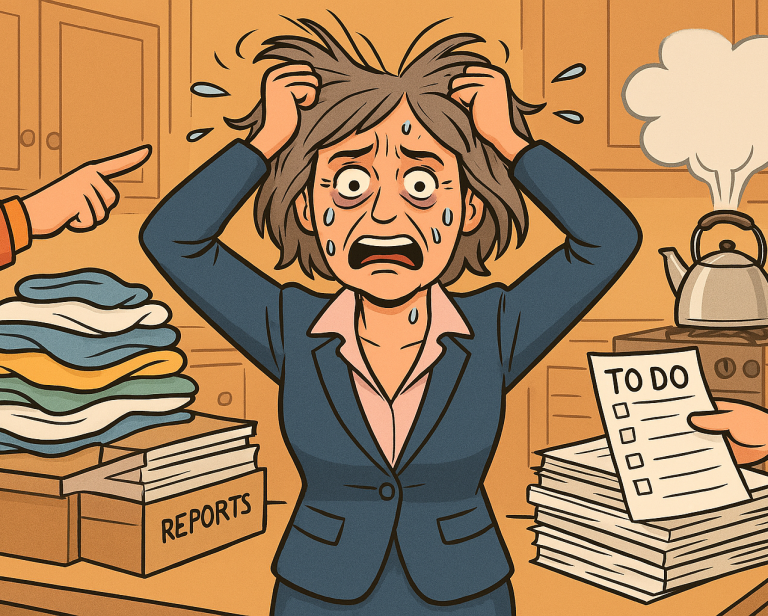
Menopause is far more than the end of periods; it’s a whole-body transition that affects physical health, mood, cognition, and long-term wellbeing. Explore the biological changes, why symptoms occur, the stages involved, and the wider health impact, along with treatment options and the importance of personalised care.
Menopause is a natural part of the ageing process for people with ovaries. It is clinically defined as the point in time when a person has gone 12 consecutive months without a menstrual period, in the absence of another medical cause.
While menopause is often framed as a reproductive milestone, it is in reality a whole-body transition, affecting physical health, cognitive function, emotional well-being, and long-term disease risk.
The Biological Process of Menopause
1. Follicle Depletion
People assigned female at birth are born with a finite number of ovarian follicles (eggs). Over time, these follicles are gradually lost. As the remaining follicle pool diminishes, ovulation becomes irregular, marking the beginning of hormonal instability.
2. Hormonal Decline
As follicle numbers decline, the ovaries produce less oestrogen and progesterone. Testosterone also decreases, but at a more gradual rate. The most significant change is the drop in oestrogen, a hormone with receptors throughout the body — including the brain, bones, cardiovascular system, skin, and urogenital tissues.
3. Disruption of the Brain–Ovary Feedback Loop
Lower oestrogen and progesterone levels disrupt the normal feedback loop between the ovaries and the hypothalamic–pituitary axis in the brain. In response, the pituitary gland increases production of Follicle-Stimulating Hormone (FSH) and Luteinizing Hormone (LH) in an attempt to stimulate ovarian function that is no longer fully responsive.
4. Cessation of Menstruation
As hormonal cycling becomes increasingly erratic, the uterine lining no longer develops predictably. Menstrual periods become irregular and eventually stop altogether.
Why Menopausal Symptoms Occur
The decline in oestrogen is central to most menopausal symptoms. Because oestrogen plays a role in regulating temperature, mood, sleep, cognition, bone metabolism, and tissue integrity, reduced levels can lead to multisystem effects.
Importantly, symptom severity and duration vary widely between individuals.
Common Physical Symptoms
Many people experience a combination of physical symptoms, including:
- Hot flushes and night sweats caused by changes in thermoregulation
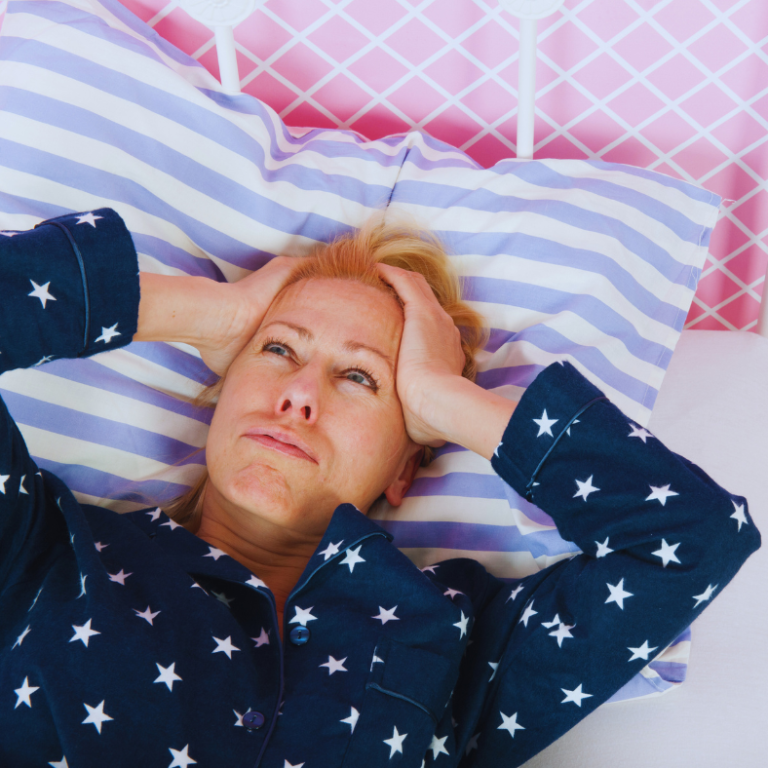
- Sleep disturbances, including difficulty falling or staying asleep
- Vaginal and urinary changes, such as dryness, discomfort during sex, recurrent urinary tract infections, and urgency
- Body changes, including weight redistribution (often abdominal), skin dryness or itchiness, hair changes, and dry eyes or mouth
- Aches and pains, including joint stiffness and muscle discomfort
- Cardiovascular and sensory symptoms, such as palpitations, headaches, dizziness, and changes in smell or taste
Psychological and Cognitive Symptoms
Menopause can also affect mental and cognitive health:
- Mood changes, including irritability, anxiety, low mood, or feeling overwhelmed
- Cognitive changes, often described as “brain fog,” include difficulties with concentration, memory, and processing speed
- Reduced libido, influenced by hormonal changes, physical discomfort, and emotional factors
These symptoms are real, common, and often under-recognised.
The Three Stages of Menopause
1. Perimenopause
What it is:
The transitional phase leading up to menopause, often beginning in the late 30s or 40s, is a time during which hormone levels fluctuate.
Common signs:
Irregular periods, hot flushes, night sweats, mood changes, cognitive symptoms, and vaginal dryness.
2. Menopause
What it is:
A single point in time reached after 12 consecutive months without menstruation.
What changes:
Ovulation stops, fertility ends, and ovarian hormone production reaches its lowest levels.
3. Postmenopause
What it is:
The life stage following menopause.
Key considerations:
Hormone levels remain low, and the risk of certain long-term conditions — including osteoporosis and cardiovascular disease — increases.
Why Experiences Differ So Widely
Menopause is not experienced in isolation. Research consistently shows that personal, cultural, social, and economic factors strongly influence how symptoms are perceived and managed. (Research exploring women’s lived experiences of menopause remains limited, with one major systematic review identifying only 24 eligible studies worldwide, highlighting significant gaps in understanding how menopause is experienced across different cultural and social contexts.¹)
Stress, financial insecurity, caregiving responsibilities, social stigma, and limited access to healthcare can compound symptoms — particularly psychological and cognitive ones. In contrast, supportive environments and informed healthcare can significantly reduce distress.
Menopause, Multimorbidity, and Long-Term Health
Emerging research suggests that menopause may be associated with an increased risk of multimorbidity (the presence of two or more long-term health conditions). (Emerging research highlights multimorbidity — the presence of two or more long-term conditions — as an increasing concern in postmenopausal women, with patterns suggesting links between hormonal decline, age at menopause, and later-life health outcomes. 2)
Some studies indicate that:
Earlier menopause is linked to higher rates of chronic illness later in life
As life expectancy increases, so too does the number of years many women live with chronic conditions
Taken together, these findings raise the hypothesis that hormonal decline during menopause may contribute to vulnerability in long-term health — particularly when combined with stress, sleep disruption, and existing health inequalities. However, further longitudinal research is needed to confirm causal pathways.
Bone Health and Osteoporosis
Oestrogen plays a critical role in maintaining bone density. After menopause, the sharp decline in oestrogen accelerates bone loss, significantly increasing the risk of osteoporosis and fractures.
This is why osteoporosis disproportionately affects postmenopausal women and why bone health becomes a key focus in later life. (The sharp decline in oestrogen following menopause accelerates bone resorption, significantly increasing the risk of osteoporosis and fractures in later life. 3)
Stress, Environment, and Health Outcomes
Chronic stress is associated with neuroendocrine and inflammatory changes in the body. When combined with disturbed sleep, hormonal shifts, and psychological vulnerability during menopause, this may help explain why some individuals experience worsening health or the emergence of chronic conditions during this life stage.
Crucially, healthcare systems have often failed to account for individual lived experience, offering standardised care where personalised support is needed.
(Broader research into multimorbidity suggests that women experience a higher burden of chronic conditions across the lifespan, with menopause increasingly recognised as a potential period of heightened vulnerability requiring further investigation. 4)
Current Treatment Options
Hormone Replacement Therapy (HRT)
Hormone Replacement Therapy is one of the most effective treatments for many menopausal symptoms. It works by replacing hormones that the body no longer produces in sufficient amounts.
HRT may include:
- Oestrogen
- Progestogen
- In some cases, testosterone
Delivery methods include patches, gels, sprays, tablets, implants, and vaginal creams or rings.
Treatment decisions should always be individualised, taking into account personal medical history, preferences, and risk factors.
Looking Forward
Menopause is a complex biological, psychological, and social transition — not simply the end of fertility. While awareness and research are improving, significant gaps remain, particularly around lived experience, long-term outcomes, and equitable access to care.
Supporting people through menopause requires:
- Better research
- Better education
- Personalised, respectful healthcare
As understanding grows, so too does the opportunity to improve quality of life — not just during menopause, but for decades beyond it.
References
- Women’s experience of menopause: a systematic review. JBI Database of Systematic Reviews and Implementation Reports (2015). https://journals.lww.com/jbisrir/abstract/2015/13080/women_s_experience_of_menopause__a_systematic.18.aspx
- Liu JH. Multimorbidity in postmenopausal women: a new health challenge. Menopause (2024). https://journals.lww.com/menopausejournal/citation/2024/11000/multimorbidity_in_postmenopausal_women__a_new.1.aspx)
- Impact of menopause on women’s health. Medical Journal of Health Sciences (PDF) https://www.monz.pl/pdf-105617-36678?filename=Impact%20of%20menopause%20on.pdf
- National Institutes of Health. Multimorbidity and chronic disease in women. NCBI Bookshelf. https://www.ncbi.nlm.nih.gov/books/NBK607728/