
Understanding Multiple Sclerosis (MS)
What is MS, and what are the Symptoms? And most importantly, how do we adapt to ensure management of the condition to retain our independence?
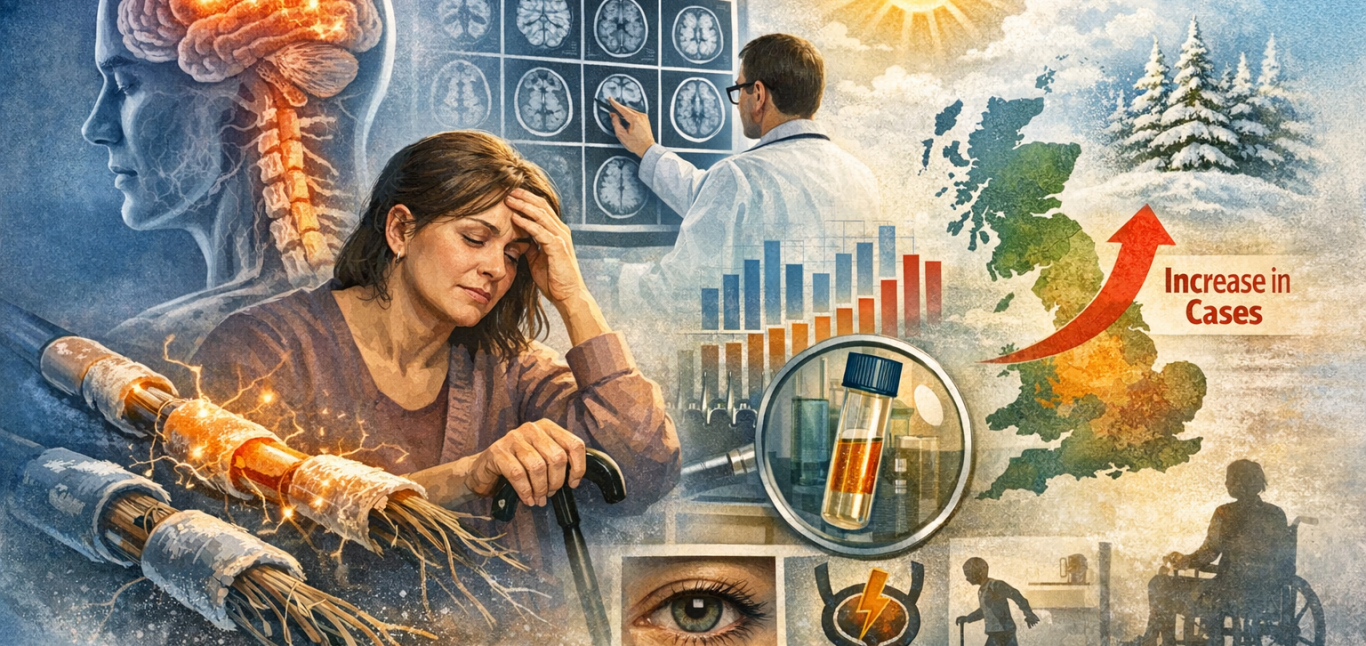
MS, according to the figures from The MS Society, the number of people living with the condition has increased by nearly 13%, a 15% increase in England, 10% in Scotland, 9% in Northern Ireland and 8% in Wales.
With 7100 people being diagnosed with MS each year in the UK
So, what is MS, and why is the disease increasing in prevalence?
Multiple Sclerosis (MS) is a neurological condition which affects the Central Nervous System. It is where damaged nerve cells (damage to myelin and nerve fibres) prevent the messages from the brain from reaching and passing through the nervous system effectively. The presentation and symptoms a suffer experiences depend on the part of the nervous system affected and the extent of damage to the cells.
Although currently the cause of MS is unknown, it is understood to rely on a combination of Genetic and environmental factors and although not currently specifically proven it is a working theory is that it is an autoimmune disorder.

There is a noticeable pattern that MS studies have shown that the further north from the equator you live, the higher the chance you have of being diagnosed with MS. For example, figures reflect a higher rate of MS in the UK, North America and Scandinavia when compared to countries which are very close to the equator. There is a need to gather more information from less developed countries to obtain a fuller picture of global MS prevalence, which indicates the influence of vitamin D on human immune health, with evidence suggesting that avoiding vitamin D deficiency supports immune health and may reduce the risk of developing MS.
The rise in MS diagnosis is understood to primarily be due to improved diagnostics, increasing awareness and treatment options prolonging living with the condition.
Although MS is not deemed fatal, complications such as infections and dysphagia (swallowing difficulties) that arise from the condition are what can cause fatality in cases. MS can also hold comorbidities such as cardiovascular disease or diabetes, which can worsen prognosis.
Types of MS
MS is often described in different types, although research suggests it may be one continuous condition. These terms are still used in clinics to help guide treatment.
Relapsing remitting MS
The most common type. People have relapses where symptoms flare, followed by periods of recovery.
Secondary progressive MS
Some people move into this stage after living with relapsing remitting MS. Symptoms gradually become more consistent over time, with or without relapses.
Primary progressive MS
Symptoms slowly worsen from the start, usually without early relapses. Progression varies widely.

Clinically isolated syndrome
A first episode of neurological symptoms caused by inflammation or demyelination. Some people with CIS later develop MS.
Advanced MS
A term used when MS has a significant impact on daily life, and extra support is needed. It describes severity rather than type.
What are the symptoms?
Multiple Sclerosis (MS) symptoms vary widely, affecting the central nervous system, but commonly include fatigue, numbness/tingling, vision problems (blurred or double vision), dizziness, walking difficulties, and bladder issues. Symptoms are unpredictable and, while often appearing in young adults, can differ significantly between individuals.
Common Symptoms of Multiple Sclerosis
- Fatigue: Extreme, overwhelming tiredness.
- Numbness or Tingling: Often in the face, body, or limbs (numbness, "pins and needles").
- Vision Problems: Blurry vision, double vision, or pain during eye movement, often affecting one eye (optic neuritis).
- Walking/Balance Issues: Lack of coordination, dizziness, or vertigo.
- Muscle Spasms/Stiffness: Spasticity, causing involuntary muscle contractions, especially in the legs.
- Weakness: Muscle weakness in limbs.
- Bladder/Bowel Dysfunction: Increased urgency, frequency, or loss of control.
- Cognitive Changes: Memory, attention, and processing speed issues.
- Pain: Both chronic pain and nerve pain (like Lhermitte's sign—an electric-shock sensation when bending the neck).
Key Characteristics
- Variable/Unpredictable: Symptoms can come and go (relapses) or progress slowly over time.
- Heat Sensitivity: Small increases in body temperature can temporarily worsen symptoms.
- Early Indicators: Often start with optic neuritis (eye pain/vision loss) or sensory disturbances
How is MS diagnosed in the UK?
Currently, according to the NHS site
If your GP thinks you could have multiple sclerosis (MS), they'll refer you to a brain and nerve specialist (neurologist).
At your appointment, the neurologist will ask about your symptoms.
There is no single test to diagnose MS.
Tests you may have include:
- checks on your movement, coordination, vision, balance and reflexes
- Blood tests to rule out other causes of the symptoms,
- An MRI Scan to see if there is damage to the nerves in your brain or spinal cord
- Taking a small sample of spinal fluid from your lower back using a needle (lumbar puncture)
- tests that use small sensors attached to your skin to measure how quickly messages from your eyes or ears travel to your brain
According to The Multiple Sclerosis Society, Diagnosing Multiple Sclerosis (MS) in the UK often takes several months to over a year, as it requires ruling out other conditions through tests like MRIs and lumbar punctures. While some receive a faster diagnosis, others face prolonged delays, often waiting over a year due to complex symptoms and limited neurologist availability.


How do Beehive Care adapt our care?
The symptoms of MS can fluctuate in individuals, and each person with the condition can present in different ways.
This is why we tailor our care to the individual: the care plans we create with our customers ensure that any of our carers can adapt the care on a day-to-day basis to account for daily fluctuations in their conditions and symptoms.
Assessments are carried out prior to care being in place, where Beehive Care liaise with OT (occupational therapists) and the customer's wider medical team to ensure that the customer's environment is adapted to their specific needs and they can navigate their own home safety and as independently as possible. This can often involve ramps, grab bars or other accessibility adaptations.
Our carers are trained to identify any deterioration and to manage complex conditions professionally and adapt proactively to amend care or acquire medical input when needed to ensure the customer's safety. Swift management of their condition is a priority.
If you need support and don’t know where to start, you can view our adaptive services here: View our Services
If you are unsure of funding and the process of getting care in place, click here to view Our Articles on funding and navigating care.